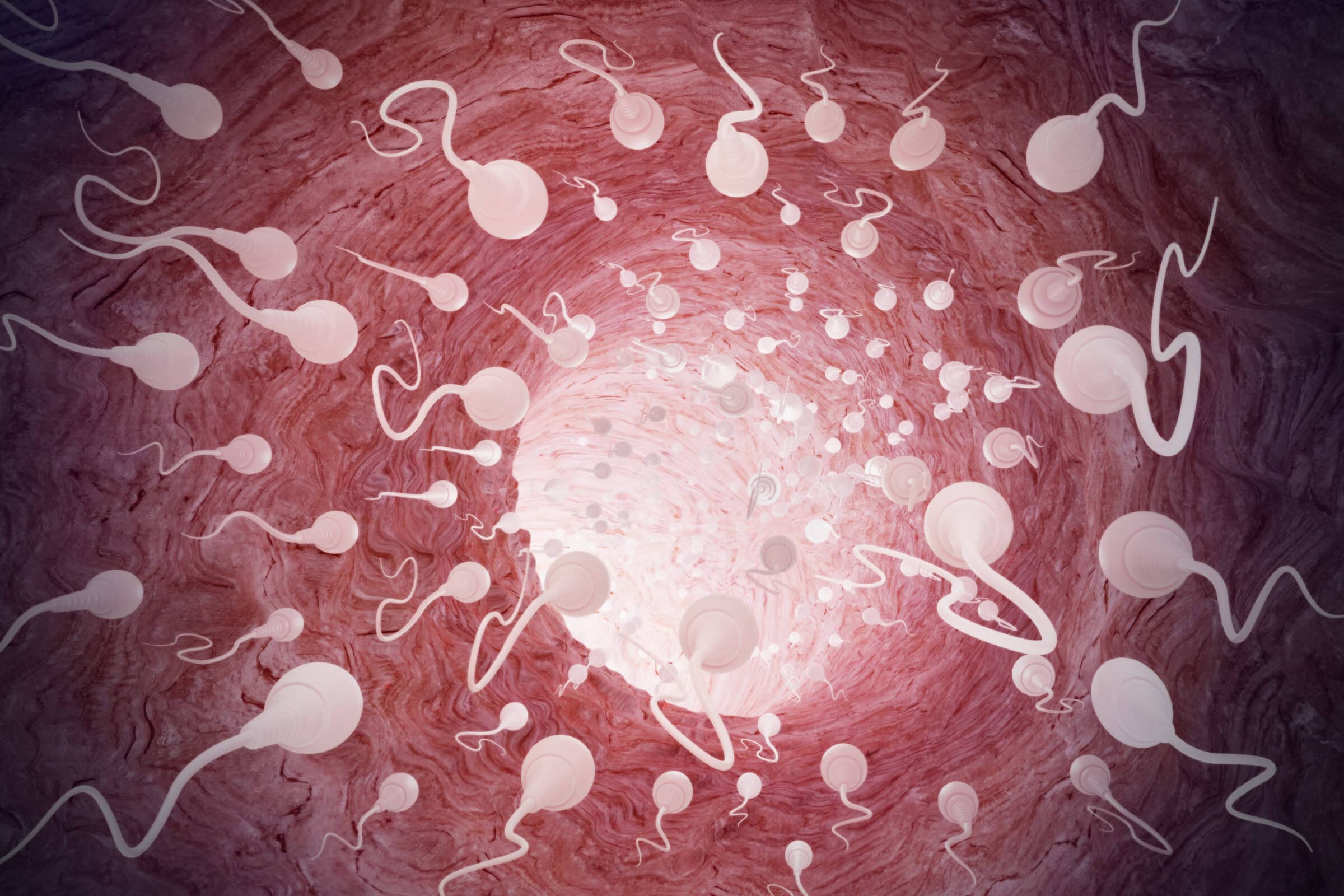
Sperm DNA Fragmentation
The cause of unexplained infertility, recurrent miscarriage or unsuccessful fertility treatment may lie in the sperm’s genetic material—even when a conventional semen analysis shows normal results.
Male infertility has traditionally been assessed using a basic semen analysis, which measures sperm count, concentration and motility. However, these parameters do not reveal whether the sperm DNA is intact.
Sperm DNA fragmentation testing provides additional, clinically relevant information to support the planning of fertility treatment and the choice of treatment method.
What is sperm DNA fragmentation?
Sperm DNA fragmentation refers to breaks or damage in the sperm’s genetic material, or DNA. It may result from problems during sperm development or from oxidative stress caused by reactive oxygen species (ROS). Factors that can contribute to DNA fragmentation include smoking and nicotine products, age, varicocele (enlarged veins in the scrotum), infections and inflammation, and certain medical conditions.
A conventional semen analysis mainly measures sperm count and motility. Even if a sperm swims well, its DNA may still be fragmented. If a high proportion of sperm in the sample have damaged DNA, the egg may not be able to repair the damage sufficiently. This may contribute to:
- Difficulty becoming pregnant
- Embryo development arrest
- An increased risk of early miscarriage
The method used at Dextra detects breaks in sperm DNA and labels them with a special dye. When the sample is examined under a fluorescence microscope, sperm with DNA damage are clearly visible as fluorescent cells. The test provides a precise percentage—the DNA fragmentation index (DFI)—showing what proportion of sperm have damaged genetic material.
How can the results be used in fertility treatment?
If testing shows elevated sperm DNA fragmentation, different approaches may be considered to support the chances of treatment success:
- Microfluidic sperm selection (ZyMōt): The microfluidic ZyMōt method mimics the body’s natural sperm-selection process. It selects sperm without centrifugation, a mechanical procedure that may increase oxidative stress and potentially damage cells.
- Choosing a suitable treatment and selecting sperm (ICSI, PICSI): If fragmentation is high, intracytoplasmic sperm injection (ICSI) may be used instead of conventional IVF, as this involves less exposure of sperm to oxidative stress. ICSI may be used if the sample’s sperm count or motility is not sufficient for microfluidic processing.The laboratory may also use a specialised sperm-selection method called physiological intracytoplasmic sperm injection (PICSI). This helps embryologists select sperm that bind to hyaluronic acid. These sperm are biologically mature and have been found to have significantly less DNA fragmentation than freely swimming sperm.
- Lifestyle and oxidative stress: As oxidative stress is often involved in DNA damage, antioxidant treatment and lifestyle changes may help improve the situation in some cases before a subsequent treatment cycle.
- Optimising the abstinence period: A shorter period of abstinence may reduce DNA damage that can occur while sperm are stored in the reproductive tract.
- Using testicular sperm (TESE/TESA): If the DFI in the semen sample is very high, sperm may sometimes be collected directly from testicular tissue. Testicular sperm may have less DNA damage than sperm in the ejaculate, as much of the damage may occur while sperm travel through the epididymis.
Who may benefit from sperm DNA fragmentation testing?
We may recommend sperm DNA fragmentation testing, particularly if:
- You have experienced unexplained infertility
- There have been recurrent miscarriages
- Embryo quality has been lower than expected in previous IVF treatment
- You would like a more detailed assessment of the male partner before treatment begins.
Sperm Laboratory
We are available Monday to Friday, 8:00 am–2:00 pm, on 045 7733 9994.